


AS election season approaches, it is hardly surprising to see familiar narratives being recycled once again. Some politicians continue to warn Malaysians about PAS, Islam and the supposed threat of Sharia law, as though the country is on the brink of some radical transformation. The message is often framed in a way that suggests Islam is something to be feared rather than understood.
The reality, however, is very different. Islam is not foreign to Malaysia’s identity, history or constitutional framework. It has existed alongside our multicultural society since long before independence. More importantly, the principles of Islam are not centred on oppression or exclusion, but on justice, mercy, accountability and the preservation of human dignity. These values are not threats to a diverse society; they are foundations for a stable and harmonious one.


History itself offers an important lesson. When Prophet Muhammad ﷺ established the Constitution of Medina (Piagam Madinah), it was not a document that marginalised non-Muslims. On the contrary, it recognised the rights of different religious communities, guaranteed mutual protection, upheld justice and established a framework for peaceful coexistence among diverse groups. Many scholars regard it as one of the earliest examples of a pluralistic social contract. The objective was not domination, but the creation of a society built upon responsibility, fairness and shared citizenship.
This is why I find it troubling when Islam is repeatedly portrayed as a political bogeyman. Whether one agrees with PAS politically or not, it is unfair and inaccurate to label the party as inherently extremist or to suggest that its mere presence poses a threat to national harmony. PAS has operated within Malaysia’s democratic system for decades, contested elections, governed states through constitutional processes, and participated in parliamentary democracy like any other political party. Political disagreements are normal in a democracy, but disagreements should be based on policies and performance, not fear and stereotypes.
At the same time, Malaysians are facing challenges that are far more immediate and pressing. The rising cost of living, housing affordability, stagnant wages, economic uncertainty, public healthcare pressures, educational concerns and governance issues affect millions of people regardless of race, religion or political affiliation. These are the conversations that deserve greater attention from our leaders.
I believe Malaysians are mature enough to distinguish between genuine concerns and political distractions. They do not need to be constantly frightened by narratives of an impending Islamist takeover. They want leaders who can provide solutions, strengthen institutions, create opportunities and govern with integrity.
Politics should never be about manufacturing fear. It should be about building trust. It should never be about convincing citizens to fear one another. It should be about helping citizens work together for the common good.
The question Malaysians should ask is simple: Why are some politicians spending so much energy warning people about imagined threats, while so many real problems remain unresolved?
Islam, at its core, calls for justice, compassion, good governance and the protection of society’s welfare. These are values that benefit everyone, Muslims and non-Muslims alike. A confident nation should not fear such values. Instead, we should focus on whether our leaders, regardless of party; are capable of delivering them.
By: Nur Farhana Omar
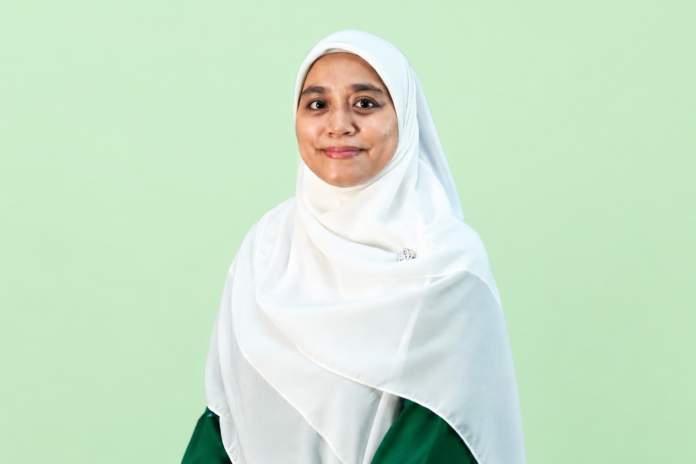
The author is the Information Chief of Dewan Muslimat PAS Perak and is actively engaged in sharing her views, analyses and perspectives on current national issues, particularly in the areas of politics, public policy, social development, women’s affairs and governance. -HARAKAHDAILY 15/6/2026