



THE recent report highlighting the situation in Hospital Tengku Ampuan Rahimah (HTAR), Klang, should concern every Malaysian—not only those working in healthcare, but anyone who may one day require emergency surgery.
According to reports, approximately 20 surgical medical officers are responsible for managing between 300 and 400 patients daily across emergency services, inpatient wards, and outpatient clinics. If these figures accurately reflect the current situation, this is not merely a staffing shortage. It represents a healthcare system operating at the limits of human endurance.


This issue should not be viewed as a complaint from overworked doctors. It is a warning about patient safety.
No matter how dedicated or competent a doctor may be, there comes a point where excessive workload inevitably increases the risk of delayed reviews, prolonged waiting times, fatigue-related errors, burnout, and compromised continuity of care. These risks ultimately affect patients.
Our medical officers deserve recognition not simply for their resilience, but because they continue to deliver care despite increasingly difficult circumstances. However, resilience cannot become a substitute for responsible workforce planning. We should never normalise a system that depends on exhaustion as its operating model.
HTAR is one of Malaysia’s busiest public hospitals, serving not only Klang but also a rapidly expanding surrounding population including my constituents in Kapar. Patient demand has increased steadily over the years, yet the corresponding growth in manpower, infrastructure, operating theatre capacity, and support services has struggled to keep pace.
The consequences extend far beyond one department. Overburdened surgical services affect emergency department congestion, elective surgery waiting lists, hospital bed availability, intensive care utilisation, and ultimately patient outcomes.
This should not become another episode where concerns are acknowledged only after a preventable tragedy occurs.
The Ministry of Health should urgently conduct an independent assessment of workforce adequacy and workload within HTAR’s surgical services. Where critical shortages exist, immediate temporary reinforcement should be considered while longer-term solutions are implemented. More importantly, transparent workforce planning should ensure that staffing reflects actual patient volume rather than historical establishment numbers.
Equally important, healthcare workers must be able to raise genuine patient safety concerns without fear of stigma or reprisal. A mature healthcare system encourages frontline professionals to speak up when service delivery is approaching unsafe limits.
This is not about assigning blame to individual hospital administrators or healthcare workers. The pressures facing HTAR are symptomatic of broader systemic challenges confronting our public healthcare system. Addressing them requires political commitment, adequate funding, effective workforce planning, and sustained policy reform.
As Members of Parliament continue debating healthcare financing and national health reforms as seen by report of PAC Parliament debate, stories like HTAR should remind us that behind every statistic is a patient waiting for surgery, a family hoping for good news, and a doctor striving to provide safe care under extraordinary pressure.
A nation’s healthcare system should not rely on the extraordinary sacrifices of its frontline workers simply to deliver ordinary care.
If our surgeons are telling us that they have reached the limit, the responsible response is not to question their commitment. It is to listen—and to act before patients pay the price. YBM KMM please do the needful and never ever let budget cut compromise healthcare.
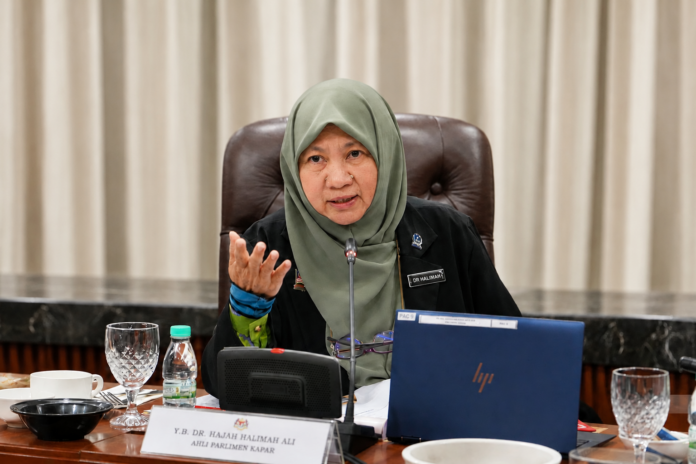
Dr Halimah Ali
MP 109 Kapar
-HARAKAHDAILY 9/7/2026