


Climate change has significantly impacted Canada in recent years, leading to severe weather events and environmental disasters.
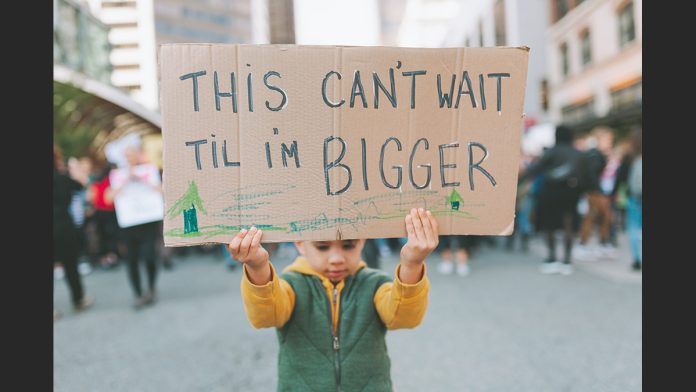
Pregnant individuals and children are particularly vulnerable to the health risks associated with climate-related catastrophes, according to a report released by the World Health Organization (WHO) and other United Nations agencies.


The increasing frequency of extreme temperatures and climate-related disasters raises concerns about the health of pregnant individuals and children.
Pregnant individuals exposed to extreme heat face an elevated risk of life-threatening complications during labor and delivery, as suggested by a retrospective study published in the Journal of the American Medical Association.
The study, based on over 400,000 pregnancies in Southern California over a decade, revealed associations between exposure to extreme heat (35 degrees Celsius or higher) and severe health issues.
Physiological changes during pregnancy, such as hormonal sensitivity and alterations in circulation and blood volume, reduce the ability to regulate body temperature, increasing susceptibility to heat-related health effects.
Air pollution, another consequence of climate change, has been linked to adverse birth outcomes.
A study from South Africa found a significant correlation between prenatal exposure to particulate matter and adverse outcomes like low birth weight and preterm birth.
Pregnant women’s bodies are more vulnerable, emphasizing the need for international efforts to address climate change with consideration for their specific needs.
Dr Bruce Aylward, an assistant director general of the WHO, stated that while climate change poses an existential threat to everyone, pregnant women, babies, and children face some of the gravest consequences.
Efforts to tackle the climate crisis should prioritize the specific vulnerabilities of pregnant individuals and marginalized populations, as emphasized by Dr. Samantha Green from the Canadian Association of Physicians for the Environment.