

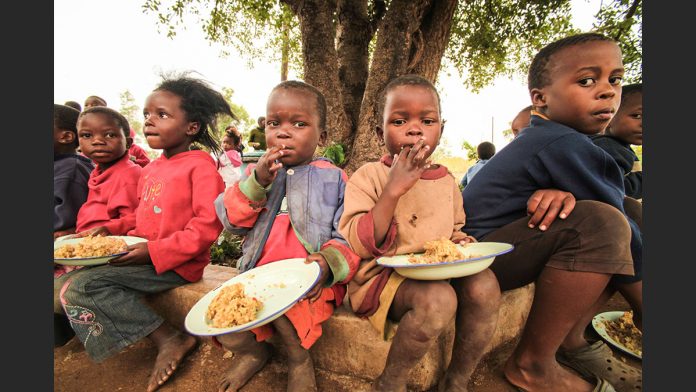

ABUJA – Nigerian President Bola Tinubu has declared a state of emergency in response to high inflation threatening food security in Africa’s most populous country, the State House said Thursday, reported Xinhua.
Dele Alake, a spokesman for the president, revealed this at a press briefing in the capital of Abuja, adding that Tinubu “is not unmindful of the rising cost of food and how it affects the citizens… affordability has been a major issue for many Nigerians in all parts of the country”.


Data from the National Bureau of Statistics showed the headline inflation rate in Nigeria has remained stubbornly high since January 2021. It jumped to 22.41 per cent in May, with food being the biggest driver of inflation.
Alake said the government would implement several approaches to reverse inflation and guarantee uninterrupted supply of affordable foods to ordinary Nigerians. He explained that the president’s declaration of a state of emergency on food security was aimed at mobilising all available resources to mitigate the crisis.
According to the official, the government plans to use some of the money saved following the end of the fuel subsidies to improve the agricultural sector in the short term. They will introduce further interventions and solutions in the medium and long term.
“The government will immediately release fertilisers and grains to farmers and households to mitigate the effects of the subsidy removal.”
He said the president also ordered the ministries of Agriculture and Water Resources to closely cooperate to ensure adequate irrigation of farmlands and to guarantee food is produced all year round.
Nigeria has been grappling with a series of challenges in its agricultural sector, including farmer-herder clashes, climate change effects, limited access to modern farming techniques and the increasing threat of pests and diseases, which have significantly impacted food production and led to rising food prices. – Bernama