



by Rizal Hafiz bin Ruslan
Principal Advisor
Pertubuhan Generasi Prihatin Pulau Pinang
I’m writing in response to Wong Chun Wai’s piece published in The Star Focus on November 21, 2021. Reading the essay in the early morning while sipping hot chocolate and eating well-toasted bread was pretty enjoyable and soothing. Watching the sunrise in the morning had reawakened something inside me that had been latent due to a very late night’s sleep.
Reading the article line by line, by the end of the second paragraph, one could understand the message that the writer was attempting to highlight. Confused, fear, and anger may be the best way to describe the author’s feeling, expressing his concern about the rights of a specific group in Malaysia. By the way, the ‘human rights’ argument should not be blatantly used to justify a misdeed.

Alas, such resentment must be from the recent statement by the Menteri Besar of Kedah, that they will neither issue new licenses nor renew licences for gambling businesses in Kedah.
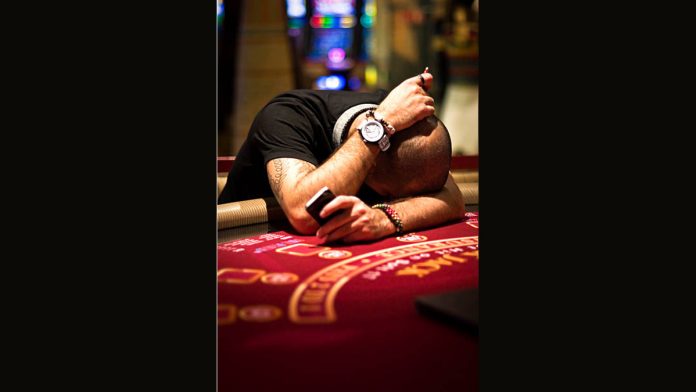
Malaysia previously made a move to end a gambling activity known as the “social welfare lottery” with the closure of the Social and Welfare Services Lotteries Board in 1991. The decision was made due to a series of studies about the setbacks and effects of gambling on family values, friendships, and job security. Gambling starts to affect a person’s physical and mental health, or causes their family or loved ones to feel stressed, frightened, and anxious. It can be classified as a psychological problem derived from gambling addiction. It may lead to various issues, including crime, such as theft, money laundering, and other financial crimes committed to pay for gambling debts. The very well-known issue of loan sharks, or “Ah Longs,” has risen partly due to gambling traps.
According to a 2016 article published in the Asian Journal of Gambling Issues and Public Health, gambling and gambling-like experiences are so prevalent among children that they view gambling as a natural part of everyday life, like watching TikTok. Additionally, gambling advertisements convey the message that gambling is enjoyable, exciting, and a simple and quick way to become wealthy, which is extremely misleading.
With these negative consequences expected to worsen, the government and the relevant authorities should take drastic measures to put an end to it before it spreads widely. In today’s modern society, values grow and bind people in upholding family, friendship and honesty. People would be happier and able to live prosperously in the absence of gambling.
In a recent event when a reporter asked a minister about gambling prohibition, she was asked back if her husband or a close relative was trapped in a gambling habit. What will be the ramifications for the family? In this case, we should attempt to put ourselves in the shoes of the loved one who has become ensnared in a gambling addiction. Worse yet, it was an experience they had never anticipated.
In conclusion, today’s modern and plural societies are moving toward shared prosperity. The agenda is to enhance the nation’s strength and we should emerge stronger from this crisis. More than ever before, people require assistance and solidarity in order to achieve greater success in their lives. Money spent on gambling could be used to improve an individual’s financial situation, such as investing in unit trusts or even the stock market.